
Sphere Signals
World 9 min readZone and biome progression in Orbis
How Orbis zones 1–4 and portal biomes are layered in the official world generator — and why seed maps aren't a simple flat PNG.
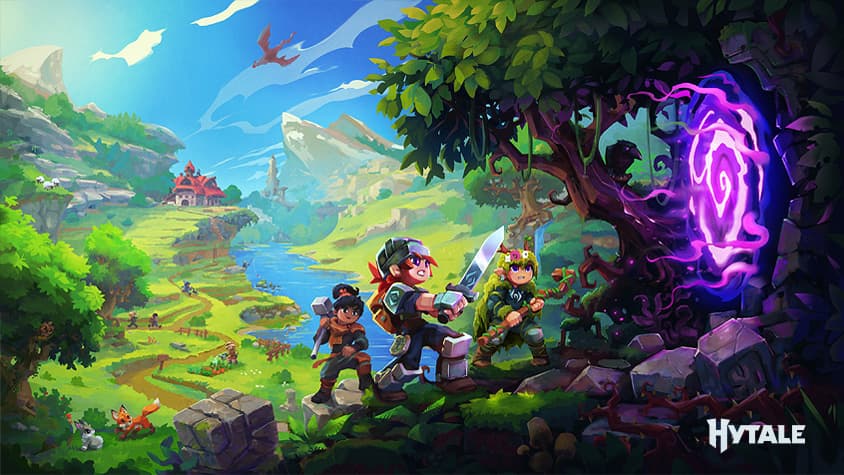
How Orbis zones 1–4 and portal biomes are layered in the official world generator — and why seed maps aren't a simple flat PNG. This Sphere Signal is written against HySphere's live extract (~3,219 items, ~975 creatures, ~2,109 recipes) so the workflow stays tied to real catalog pages.
HySphere’s hubs remain the numeric source of truth for “Zone and biome progression in Orbis”. Use this page for the loop: what to open, what to verify, and what usually goes wrong.
Category focus: world. If a step here disagrees with a live card on /items, /recipes, or /creatures, trust the card and adjust the gather step — keep the checklist.
World extract framing
“Zone and biome progression in Orbis” is about reading zones, biomes, weather, or material families from the dump. Browse hubs, then pin the few ids that matter for your route.
Scout → sample → commit
Scout the area, sample materials into a temp chest, confirm cards, then build storage. Builders who commit early rebuild twice.
- Note zone/biome
- Sample materials
- Confirm /items cards
- Commit base layout
Placeables vs materials
Decoration placeables and structural materials are different shopping lists. Keep them separate in storage and in Signals.
Rising names and verification
Search spikes (Darkwood, region names, adventure mode) still need card verification. A trending string is not automatically a biome id.
Pitfalls
Mixing placeables into material crates, ignoring hazard families, and trusting outdated map callouts for “Zone and biome progression in Orbis”.
Verify on live catalogs
Before a long session on “Zone and biome progression in Orbis”, re-open linked cards. Extracts move; workflows stay.
On patch days: search the name, confirm inputs/drops, then continue the checklist.
Related Sphere Signals
Use neighboring Signals so you are not reconstructing context from chat logs.
Session script
Minute 0–5: open the cards for “Zone and biome progression in Orbis”. Minute 5–15: smoke-test the loop. Minute 15+: scale only what the smoke test proved.
End the session by noting one card that surprised you — that note becomes your next verify step after a patch.
Session script
Minute 0–5: open the cards for “Zone and biome progression in Orbis”. Minute 5–15: smoke-test the loop. Minute 15+: scale only what the smoke test proved.
End the session by noting one card that surprised you — that note becomes your next verify step after a patch.
Field notes for Zone and biome progression in Orbis
Run the “Zone and biome progression in Orbis” loop once in a low-stakes world, screenshot storage labels that match catalog names, and share this Signal instead of a voice summary.
Multiplayer groups should pin the same hub links so tickets cite identical numbers.
After each HySphere extract refresh, spot-check one card from this guide before you teach the loop to new players.
- Smoke-test once
- Label with catalog names
- Pin hub links
- Re-check after extract
Why “Zone and biome progression in Orbis” matters in a real session
Most players open a query like this mid-session: inventory full, durability low, or friends waiting on a join code. A Sphere Signal has to be executable in that moment — not a lore essay. That is why “zone-biome-progression” is structured as open → verify → act → re-check.
If you only remember one habit from this page, make it this: every material name you shout in voice chat should match a HySphere catalog string. That single rule removes half of the “I crafted the wrong thing” failures in world play.
When you teach a newcomer, walk the checklist once with them on shared screens. Watching someone open /items and /creatures is faster than explaining abstract systems, and it builds the same muscle they will need on patch week.
Multiplayer and server notes
On shared worlds, paste this Signal into a pinned channel with the two or three hub links you actually use for “Zone and biome progression in Orbis”. Arguments about drop rates end faster when everyone clicks the same weight rows.
Operators should keep a short manifest: game build, enabled packs, and the HySphere extract date you last trusted. When those three disagree, fix parity before you rewrite loot tables or shopping lists.
- Pin Signal + hub links
- Agree on catalog names for storage
- Record game build + extract date
- Re-run smoke test after pack changes
Patch-week drill
After an update, do not re-read the entire guide first. Open the cards that power “Zone and biome progression in Orbis”, note any renamed inputs or empty drop rows, then skim only the checklist steps that touch those cards.
If a community post claims a buff or nerf, demand an id. HySphere can confirm whether that id still exists and what the card currently shows — screenshots without ids are noise.
Frequently asked questions
How do I verify “Zone and biome progression in Orbis” after a patch?
Open the linked /items, /recipes, or /creatures hub cards and compare inputs, drops, and obtain hints. Keep this checklist; swap only the steps that the cards changed.